
How do recurring private house parties differ from commercial on-premise clubs?
Commercial on-premise clubs publish fixed operating hours, clear cover charges, dedicated security staff, and easy anonymous exits, whereas recurring private house gatherings rely on advance host screening, smaller guest caps, undisclosed addresses shared only after RSVP approval, and higher social visibility in a residential or suite setting.
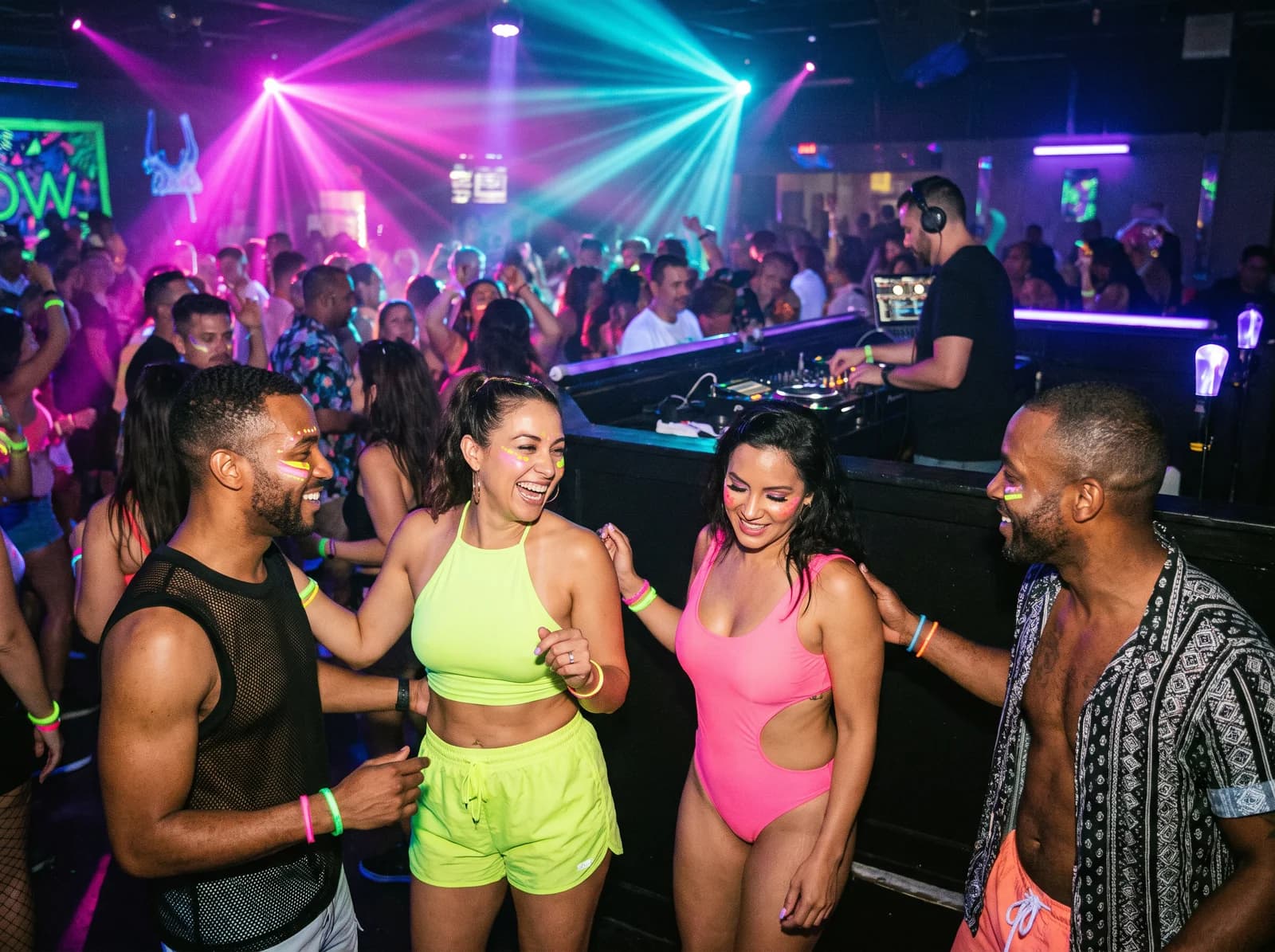
Commercial lifestyle clubs and recurring private house circles solve different social needs. An established on-premise or BYOB club operates from a commercial building with posted weekend hours, published couple and single door rates, staffed ID check-in, lockers, and roaming floor monitors. A recurring house gathering or hotel-suite social is organized by independent hosts who curate a smaller guest list in advance and disclose the exact address only to approved attendees shortly before the evening.
For newer couples, the biggest practical difference is anonymity and exit friction. At a commercial club, you can tour the venue, have one drink together in a quiet booth, and slip out after forty-five minutes without interrupting anyone's night. At a twenty-couple private house party, conversation starts faster and feels more like a cocktail gathering among regulars, but stepping out early is more noticeable.
Before accepting an invitation to a host-run private gathering, confirm the essentials directly with the host: how guests are vetted, total capacity, whether alcohol is BYOB or dry, where phones are stored, parking or noise rules that protect neighbors, and who handles boundary concerns during the party.
JoinTheSwing does not host or organize events; independent hosts run and publish their own gatherings. You can compare how private guest lists and RSVP reviews are designed to work in /guides/private-event-hosting, review event formats in /guides/lifestyle-events-explained, and browse established commercial venues on /clubs.